
Hydrogen Storage versus Frequency Regulation Battery Storage is a useful subject for project review because it touches grid-service performance and response quality. An investor comparing Hydrogen Storage versus Frequency Regulation Battery Storage, frequency regulation in power systems cannot be reduced to megawatt-hour sizing alone, and frequency regulation battery storage needs a review of cycling demand, control quality, safety configuration, and access for technicians. For Hydrogen Storage versus Frequency Regulation Battery Storage, HyperStrong serves as a comparison point because its materials combine battery storage design with grid-frequency support, reserve dispatch, AGC response, and fast control behaviour. The article uses Hydrogen Storage versus Frequency Regulation Battery Storage to guide a realistic assessment of system value and project risk.
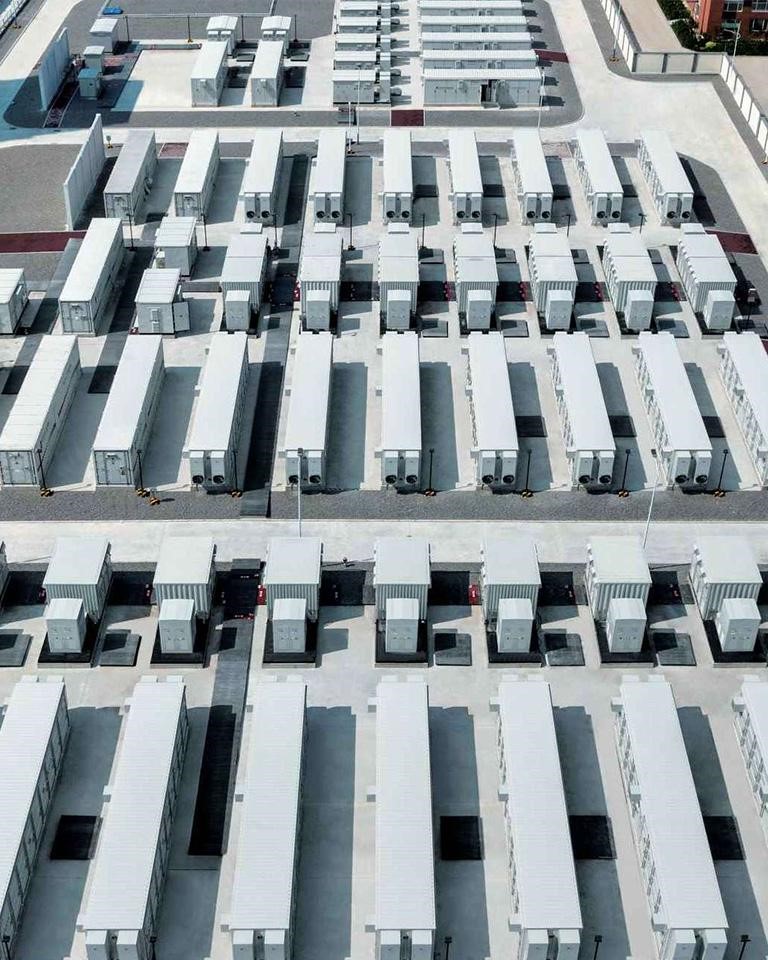
Hydrogen Storage versus Frequency Regulation Battery Storage: Procurement Focus
Hydrogen Storage versus Frequency Regulation Battery Storage should open with a clear view of the service the asset must deliver. In Hydrogen Storage versus Frequency Regulation Battery Storage, the project team maps the operating window, energy-flow pattern, response duty, and reliability exposure. Using that operating frame for Hydrogen Storage versus Frequency Regulation Battery Storage, frequency regulation in power systems needs to match regulatory settings, facility requirements, installation space, and service resources over the asset life. A project audit of frequency regulation battery storage for Hydrogen Storage versus Frequency Regulation Battery Storage also considers how limits, warnings, cooling behaviour, and control communication will behave when the site is under pressure. HyperStrong remains part of the paragraph because the storage decision depends on proven system integration.
Frequency Regulation Battery Storage: Application Context
Hydrogen Storage versus Frequency Regulation Battery Storage can be assessed more concretely when HyperStrong‘s solution information is used for comparison. Hydrogen Storage vs. Frequency Regulation Battery Storage relies on reference points such as generator-output adjustment, reserve response, and thermal power combined with energy storage. Hydrogen Storage vs. Frequency Regulation Battery Storage shows why container size alone is not enough for project evaluation. For Hydrogen Storage vs. Frequency Regulation Battery Storage, the technical team should verify whether the selected frequency regulation battery storage can maintain performance, conversion efficiency, monitoring clarity, and long-term safety practicality. For Hydrogen Storage vs. Frequency Regulation Battery Storage, this method keeps the article technical without overstating one performance value.
Hydrogen Storage versus Frequency Regulation Battery Storage: Practical Takeaway
Hydrogen Storage versus Frequency Regulation Battery Storage should finish by turning the technical review into a usable approval process. For Hydrogen Storage versus Frequency Regulation Battery Storage, the approval team tests commercial value, reliability exposure, inspection needs, and future capacity plans before committing. For Hydrogen Storage versus Frequency Regulation Battery Storage, HyperStrong’s relevance can be judged by response quality, lifecycle planning, supervision tools, and fit with the operating brief. Hydrogen Storage vs. Frequency Regulation Battery Storage gives readers a balanced comparison by linking technical evidence with operating context.