
The wording “Ureaplasma detected” leaves a species question unresolved whenever the underlying assay has a narrower target claim. Molecular laboratories need to know which organism a proposed examination recognizes before deciding how its result addresses the request.
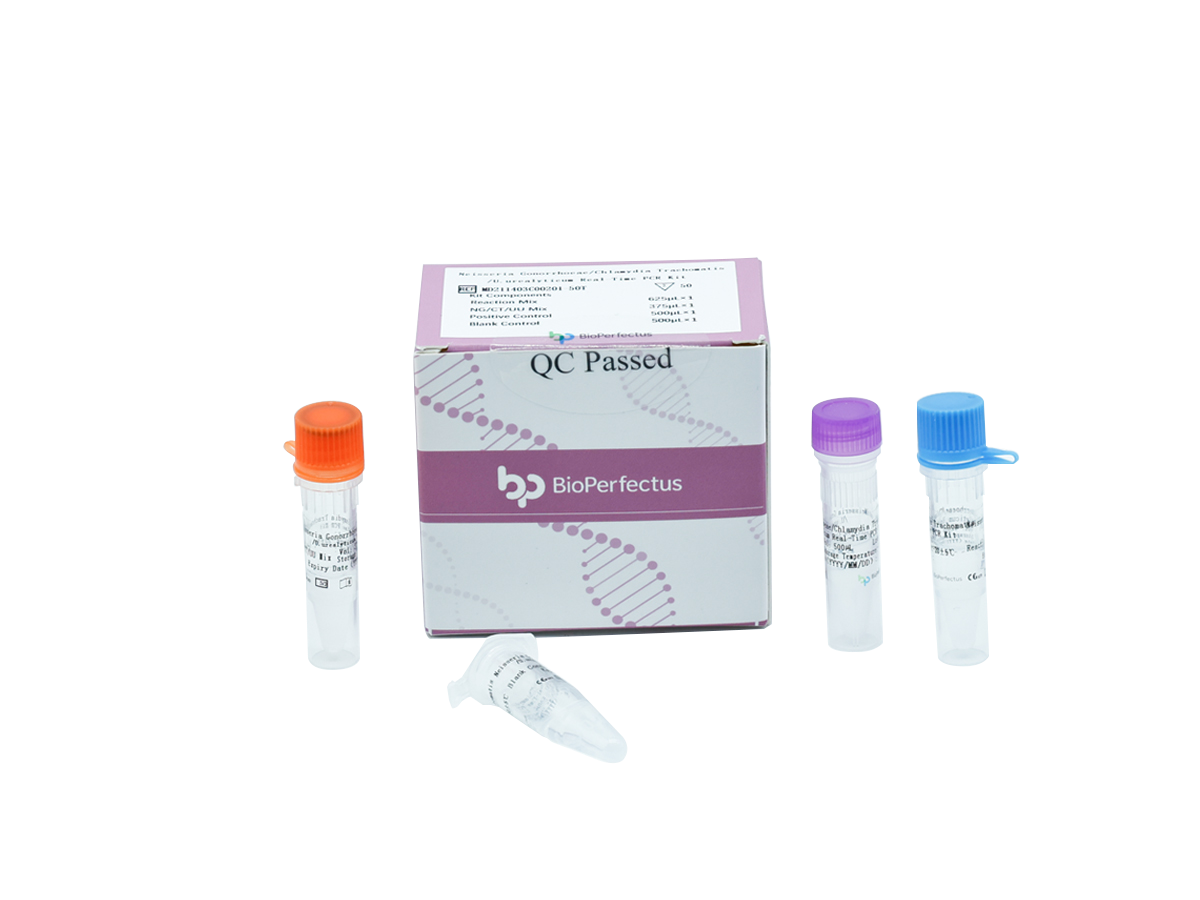
An STD Test Kit for UU/CT/NG includes a specifically named Ureaplasma target within a combined assay. Selection follows that identity through specimen eligibility and controlled testing, while clinical interpretation retains responsibility for relating the finding to the person’s condition.
Read the Species Claim Behind the Genus Name
Ureaplasma urealyticum gives the molecular examination a more specific object than the genus name alone. A product list naming this organism establishes the target to investigate. The broader wording used in a request does not enlarge that list or demonstrate coverage of another species.
Species identification and strain characterization concern different levels of information. Naming U. urealyticum alone does not establish a strain identity or unmeasured genetic properties. Any additional strain characterization request needs an examination designed to supply that further detail.
For a PCR Ureaplasma test, the stated target therefore needs to appear beside the proposed method. Coverage of U. urealyticum cannot by itself establish coverage of Ureaplasma parvum. The distinction concerns what the assay claims to examine, without requiring an unsupported assertion about how it would behave against an unlisted organism.
CT and NG add two organism targets to the Ureaplasma examination with an STD Test Kit for UU/CT/NG. That arrangement is relevant when the testing request includes those organisms together. The extra targets identify additional analytical questions, while the Ureaplasma question remains attached to its named species.
Keep a Molecular Finding Separate from Clinical Attribution
Detection of a selected nucleic acid sequence establishes a molecular observation under the assay’s conditions. Attributing a clinical condition to that observation requires information beyond the sequence response. The laboratory’s analytical task and the clinical assessment consequently address related questions with different evidential requirements.
An organism name on a result does not independently establish the severity, duration or cause of a person’s symptoms. The report can state the material examined and the target finding, leaving the broader assessment to the relevant clinical context. Reagent selection cannot resolve that wider question simply by offering additional targets.
PCR also needs a clear distinction between finding target material and making another kind of measurement. A detection claim alone does not establish a viable-organism count, antimicrobial susceptibility result or quantitative burden. Any additional requested output creates a separate method requirement that needs its own support.
Bring the Named Target into an Accepted Specimen Route
Male urethral swabs, female cervical swabs and urine describe three different urogenital submissions. Their collection descriptions identify where the material originated and in what form it reaches preparation. A laboratory matching a method to these materials still needs the applicable handling and extraction procedure for the route actually used.
The BioPerfectus Neisseria gonorrhoeae/Chlamydia trachomatis/U. urealyticum Real-Time PCR Kit includes U. urealyticum within a combined examination of these specimen categories. The formal product identity preserves the species alongside the two other organism targets. It supplies a concrete relationship between the requested molecular finding and the accepted starting material.
Assessment of a PCR Ureaplasma test can follow the proposed specimen through that preparation into amplification. An unfamiliar anatomical source cannot be accepted solely because the same organism is being investigated. The evidence needs to cover the actual submitted material, rather than a neighbouring specimen category or a broad urogenital label.
Examine the Combined Assay Without Enlarging Its Claim
Shared processing permits several target examinations within one molecular workflow, but it does not merge their identities. UU, CT and NG continue to name different organisms. The laboratory needs to retain those assignments when reviewing reaction observations, so the combined format remains understandable at the level of the requested target.
The BioPerfectus assay uses human β-globin for internal sample and process quality control. That control has a procedural role distinct from detecting U. urealyticum. Its interpretation follows the assay instructions, including the review required for an unexpected observation, rather than an assumed rule borrowed from another panel.
Compatibility with multiple mainstream real-time PCR instruments provides options for implementation. The laboratory still has a particular reaction programme, preparation arrangement and interpretation procedure to assess. Platform availability can support that assessment without establishing a new specimen claim or extending the panel to every organism named by a broader search term.
Carry the Species Identity into the Released Result
A result from an STD Test Kit for UU/CT/NG remains useful when the report makes its analytical object explicit. The method identity, accepted specimen and named organism provide the context for the finding. These details distinguish an examination directed at U. urealyticum from an unsupported claim about the entire genus.
Selection of a PCR Ureaplasma test can include review of the proposed result wording before routine introduction. For the BioPerfectus panel, that wording needs to preserve the three named target identities and the applicable process interpretation. A broad disease label cannot substitute for those analytical details when the report is assessed clinically.
The chosen examination connects a specific organism with a supported specimen and an interpretable molecular procedure. Its contribution is evidence about the target actually examined, which can then enter the wider clinical assessment. The released report identifies U. urealyticum as the examined target, preserving the species-level meaning of the observation for subsequent clinical review.