
Reliable public transport depends on more than the number of vehicles operating on city streets. Congestion, air quality concerns, infrastructure costs and changing passenger expectations are prompting municipalities to reconsider how established transit corridors can serve modern urban needs.
Against this backdrop, the electric trolleybus is attracting renewed attention as cities explore ways to combine electric operation with the flexibility of road-based public transport. Yutong Bus is among the manufacturers whose vehicle designs offer useful reference points for understanding how passenger accessibility and network modernization can work together.
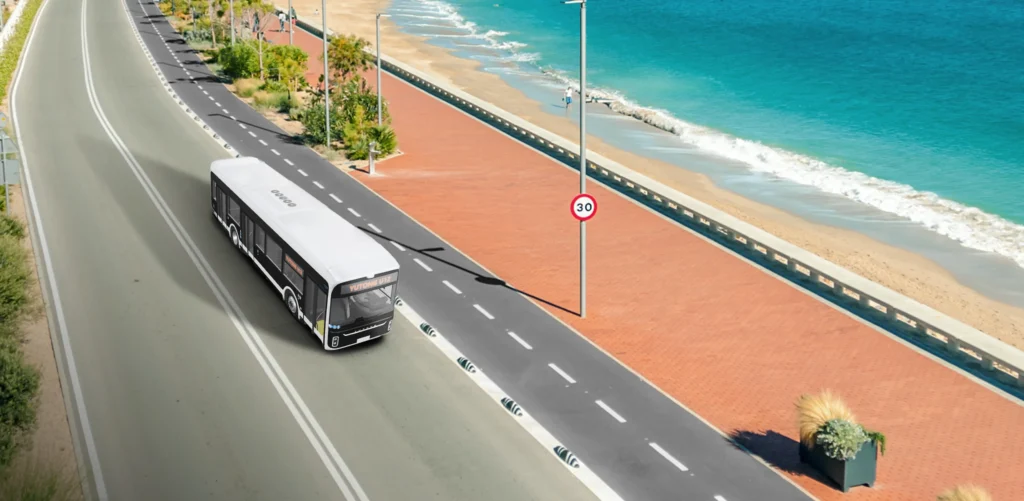
Why Cities Are Revisiting Electric Trolleybus Systems
Urban transport networks face competing demands. Passenger volumes continue to fluctuate across different districts, while road space is limited and environmental targets place greater pressure on public transport operators. Rail systems can provide substantial capacity, but their construction may involve significant investment, lengthy planning and disruption to existing streets.
An electric trolleybus network offers another approach for corridors where consistent passenger demand supports fixed-route services. Vehicles draw electricity from overhead wires while travelling along equipped sections, allowing them to operate without relying solely on onboard energy storage. Depending on the system design, this can reduce dependence on conventional diesel propulsion and support quieter operation in densely populated areas.
Existing trolleybus infrastructure can also influence investment decisions. Cities with usable overhead wiring, substations and maintenance facilities may be able to modernize parts of their fleets without rebuilding an entire transport corridor. However, the condition and coverage of the electrical network must be assessed carefully before expansion plans are approved.
Accessibility as a Measure of Network Quality
Public transport renewal is not only about propulsion technology. Passenger access, interior circulation and the experience of people with different mobility needs also affect whether a service is practical for everyday use. A vehicle may have sufficient passenger capacity, yet poorly arranged entrances or narrow interior passages can make boarding difficult during busy periods.
Low-floor construction helps reduce physical barriers between the pavement and passenger cabin. It can make entry more convenient for older passengers, wheelchair users and people travelling with strollers or luggage. The interior layout matters just as much: clear circulation areas allow passengers to move between the entrance, seating areas and designated spaces without unnecessary obstruction.
Accessibility improvements can also influence dwell time at stops. A spacious entrance and unobstructed passage may help passengers board and alight more smoothly, particularly on routes with frequent stops. These details are relevant to an electric trolleybus deployment because vehicle accessibility contributes to the overall performance of the public transport corridor, not merely passenger comfort.
Designing Interiors Around Passenger Movement
The interior of a city bus must accommodate several types of movement at once. Some passengers need to reach seats quickly, others remain standing for short journeys, and passengers with mobility aids require sufficient turning and circulation space. Poorly positioned poles, narrow passages or crowded entrance areas can restrict movement even when the vehicle has a relatively large passenger capacity.
A practical interior design considers the relationship between doorway position, aisle width, handrail clearance and priority spaces. Wider passages can reduce conflicts between passengers moving in opposite directions, while appropriately placed handrails provide support during acceleration and braking. These features are particularly important on routes where passenger turnover is high.
The Yutong U12 illustrates this approach through its low-floor structure, a 920 mm-wide passage at the front axle and 1,300 mm of handrail clearance. These dimensions provide an example of how interior space can support barrier-free movement. Such design considerations are relevant when public transport agencies evaluate vehicles for accessible urban services, although the U12 specification itself does not establish that the model is an overhead-wire trolleybus.
Planning Infrastructure for Long-Term Urban Mobility
Modernizing a trolleybus network requires coordination between vehicle procurement and electrical infrastructure. Overhead wiring must be assessed for coverage, structural condition and compatibility with the intended operating routes. Substations and power distribution equipment also need to accommodate service frequency and electricity demand, particularly where several vehicles operate simultaneously.
Route planning should account for passenger demand, road geometry, stop spacing and the availability of alternative paths during maintenance or unexpected disruptions. A corridor with stable demand may justify dedicated trolleybus infrastructure, while routes with more variable patterns may require a different vehicle or operating arrangement. Technology selection is most effective when it reflects the specific conditions of each district.
Maintenance planning deserves similar attention. Electrical equipment, overhead contact systems and vehicle components require scheduled inspection, while staff need training in the relevant operating and safety procedures. For cities modernizing an electric trolleybus network, the long-term operating model should account for infrastructure upkeep as well as the purchase price of vehicles. Yutong Bus provides a manufacturer reference for examining passenger-oriented vehicle design within this broader planning process.
Conclusion
Urban transit renewal involves a combination of engineering, public investment and attention to daily passenger needs. Trolleybus systems can remain relevant where existing infrastructure and route characteristics support their operation, but their value depends on more than the choice of power source. Accessible interiors, dependable electrical supply, suitable route planning and disciplined maintenance all shape the quality of service.
As cities reconsider how established corridors can meet contemporary mobility demands, Yutong Bus offers a useful reference for vehicle design considerations, while the wider electric trolleybus discussion highlights the importance of integrating infrastructure and passenger experience into long-term transport planning.